HOW TO FOSTER A GROWTH MINDSET

How To Foster A Growth Mindset

There are all sorts of attributes and traits that will stand you in excellent stead if you’re keen to pursue a career as a professional forex trader. Some of these you’re sure to already have in abundance and others you may need to work on in order to cultivate them and turn them into strengths that you can tap into as you trade.

And some of these traits will serve you better than others so, if you’re just starting out trading currency pairs, focusing on those attributes that will yield the best results sooner rather than later probably makes good sense.

One of the most important aspects to focus on as a trader, whether you’re new to the markets or are a seasoned pro, is your mindset and overall outlook.

How you approach your trades and how you view your work is absolutely essential and it’s vital that you keep an open mind, allowing yourself to see your weaknesses and vulnerabilities so you know what you need to prioritise and where you need to improve, both personally and professionally.


What is a fixed mindset?

There are two ways to consider human traits such as personality and intelligence… either that they’re set in stone and can never be changed or that they’re qualities we can grow and develop over time.

The former is what we call a fixed mindset and if this is where you’re currently positioned, it’s important to note that it can lead you to make lots of mistakes in many areas of your life, not just trading, and can even give rise to an extreme fear of failure… which will never serve you well on the trading floor.

Someone with a fixed mindset typically avoids challenges when they present themselves and will often give up easily when problems and obstacles get in their way. The belief that intelligence is fixed can see people led astray by their desire to continue appearing smart, rather than taking steps to actually learn something new and develop their skills.

A fixed mindset may also mean you’re unable to take useful criticism or feedback on board and you may often feel that there’s no point in trying… all of which will really get in the way if you’re keen to bring in the big trading wins.


What is a growth mindset?

On the other side of the coin, people with a growth mindset are open to believing that the skills, abilities and attributes we’re born with are simply a jumping-off point, something that can be fostered and nurtured, developed through time, effort and, yes, even struggle and adversity.

Our intelligence levels, our talents and even our personality can evolve and change as we expose ourselves to different stimuli and as we try new endeavours.

But it’s not just about believing that we can improve and develop, it’s also about looking at mistakes as opportunities for growth… and this is absolutely key for forex traders, allowing you to connect your positive outcomes in trading with all the hard work, time and effort you’ve been putting in.

Adopting a positive mindset for growth involves putting in the hard graft and focusing on the right strategies, as well as seeking guidance from others with more experience, all of which will really help you develop the skills you need to enjoy success as a trader.

Ask yourself if you shy away from challenges or if you embrace them wholeheartedly, perhaps even seeking them out so you can upskill and learn.

Do you often find that you’re taking yourself out of your comfort zone? Are you persistent and dogged in your pursuit of knowledge, even in the face of setbacks? Are you able to learn from and take criticism on board?

If so, you may already be well on your way to fostering a growth mindset… which is great from a trading perspective!


How to adopt a growth mindset

The good news is that anyone can change and grow, developing their own growth mindset over time. Just because you have a fixed mindset doesn’t mean that it has to stay that way!

There are all sorts of ways you can foster your growth mindset and maximise your chances of success. It’s all about finding the right route for you, which may be different to someone else’s path but that’s not to say that it won’t be just as effective.

Comparison is the thief of joy, after all, so stick to your guns and see what works for you. Here are some strategies you could find useful if you do want to change your outlook and see how that affects your trading.


Embrace your imperfections

Nobody is perfect and everyone has flaws and weaknesses. As a trader, it’s vital that you acknowledge your failings and embrace your imperfections simply as attributes that make you unique.

That’s not to say you can’t prioritise them and work to drive improvements in certain areas… but ignoring them and pretending they don’t exist will never see you get where you want to be.


Find the gift in criticism

While it can be hard to hear, there’s generally nothing inherently bad about criticism. In fact, you can use it as a tool for good if you’re able to see it for the gift it is and be open to hearing new suggestions and perspectives.

Believing that you’re perfect and always right will really see you flounder in forex trading and this could be why you’re not raking in the wins right now.


Practise patience

The formula for success is time plus application and it may well be that you need to be patient with yourself as you get to grips with trading. It’s not easy, it can be challenging and it can reveal all sorts of troubling aspects about you and your lifestyle that you may not enjoy being confronted with.

Don’t expect to master trading (or anything new) immediately. You’ll need to work at it, be patient and continue forging ahead, even in the face of failure. This is the path to improvement and self-development.


Be willing to make mistakes

Risk-taking is an inherent part of forex trading and if you’re risk averse, you’ll likely never make it big as a trader.

Accepting that you’ll make mistakes while trying out new ways of working or new ways of approaching old subject matter can make a huge difference to your trading skills and, before you know it, you’ll have learned all sorts of lessons… and are a better trader as a result.


Trust the process

Adopting a growth mindset is all about the journey, rather than the destination. Of course, you need to keep your eyes on the ultimate prize (which, in this case, is forex success), but the process is just as important and trusting in it will inevitably see you reach your end goals.

It doesn’t matter how long it takes for you to get there, after all. All that matters is that you get there eventually at some point in the future, which is why focusing on the process and being fully engaged in the present moment can help drive results.


Believe in yourself

Negative self-talk will never get you anywhere and if you want to develop your growth mindset, you really need to believe in yourself and that you can do it.

And of course you can do it! Practising positivity and speaking to yourself kindly can work wonders on your outlook and allow you to tap into capabilities and attributes that you may not even be aware you have.


Practise determination

Nothing worth having ever came easy and you should certainly not expect your journey into forex trading to be a simple one without any twists and turns. You’re sure to feel frustrated and overwhelmed at times and this is where determination will come into its own.

Step away and take a break if you need to but if you give up, you’ll never get where you want to be… so keep your end goal in mind and do all you can to achieve it, even if it takes you years.


Looking into different forex prop trading firms at the moment? Get in touch with us today to find out more about our funding programmes.

Recent articles


Share:

5 TOP FOREX TRADING PODCASTS TO CHECK OUT!

5 Top Forex Trading Podcasts To Check Out!

Knowledge is power, or so they say – and this is certainly the case in forex trading and for anyone who wants to turn their interest in currency pairs into a lucrative career.

The good news in this regard is that there’s a huge amount of information out there and a wealth of resources you can turn to that can help you cement your knowledge and develop your skills, giving you all the tools you need to stop seeing trading as a hobby and start seeing it as a profession.

Podcasts are incredibly popular these days and not without good reason. You can find a pod production for any and all topics under the sun – including forex trading!

Whether you’re just starting out as a trader or whether you’ve been doing it for years, it’s always useful to hear new perspectives, ideas and concepts and there’s always a lesson or two to be gleaned.

We’ve counted down some of the best and most interesting podcasts out there that focus on forex as a topic to help get you started. You may well come away with all sorts of strategies to consider and plans of attack for the next time you sit down to trade. Enjoy!


Desire To Trade

This is a great place to start for anyone new to trading and who is feeling a little overwhelmed with it all. Podcaster Etienne Crete is himself a forex trader and has been trading full time since 2017, so you can bet he knows his stuff and can help shine a light on the subject for you.

The podcast itself has been running since 2011 and there are hundreds of episodes to listen to, so it’ll keep you quite busy. It might be worth listening to a couple and seeing what lessons you can find to take away and apply to your trading, rather than sitting through lots of them all at once.

Too much information in a short space of time can mean you don’t really learn anything so take your time and trade alongside so you can apply your newly acquired knowledge and progress more effectively as a trader.

What’s particularly great about this podcast is that it’s designed to help people learn from the very beginning, covering all the basic concepts and trading psychology but at your own pace, so you can make sure you fully understand everything before you move on to the next episode.

Topics covered include great pieces of advice for new traders, how to make a living trading, risk management, professional trader secrets and lots, lots more. There are also lots of interviews with other professional traders so it really is an information goldmine that could prove particularly beneficial for you.


Chat With Traders

Chat with Traders is arguably the best and most well-known of all the trading podcasts and it’s a great one to choose for traders at all levels, so even if you have been doing it for a while you’ll likely find it of use.

It was set up by self-made entrepreneur Aaron Fifield and you can hear him on many of the episodes, but he recently departed the podcast arena and the series is now produced and co-hosted by Tessa Dao and Ian Cox (who’s been a trader for 27 years!).

Here, you’ll find loads of interviews with experienced traders, as well as those who are only at the start of their trading journey, so who knows what you’ll discover as you browse through the various episodes.

One of the most recent episodes features Jason Shapiro, a professional trader for 30 years, who explains how he finds his trading opportunities by monitoring weekly trader reports and keeping an eye on news events and media commentary.

If you’ve been feeling a little scattered with your thinking and as though you need some focus to guide you towards the path to success, this could be the podcast episode for you. It can be very easy to feel overwhelmed when faced with so much information that you need to digest and analyse in order to make good decisions… but this podcast could help you do just that.


The Trading Coach

Run by Akil Stokes, professional forex trader and one-time money manager and trading coach, the Trading Coach podcast features weekly episodes for you to tune in on, with topics covering everything from trading and investing to entrepreneurship and personal development.

There are an impressive 700 or so episodes so you certainly won’t be bored and you’re sure to find a fair few casts that speak to you and where you currently are as a trader.

If you head to Stokes’ YouTube channel or Twitter platform, you’ll find lots of charting lessons and trading tips, so that could prove useful as well but the podcast covers what you need to do for trading success in more depth… and you’re sure to find a few life lessons thrown in there for good measure, as well!

The expert puts particular emphasis on the psychology of trading, as well as how to adopt a growth mindset, the importance of health and fitness, and all the other aspects you’ll need to prioritise if you really want to make it as a successful trader.

This really is key to take on board for those who do want to turn trading into a career. It will be difficult to really see the wins you need to achieve this if you aren’t motivated and dedicated in other areas of your life.

It may be that you need to make a few lifestyle changes here and there, which can be tricky to accept… but these podcasts can definitely help you ask yourself the hard questions so you can grow as a person – and as a trader.


FX Talk

As we all know, keeping a close eye on the news and what’s happening around the world is pretty essential for trading, as currency fluctuations can be affected by all sorts of goings on.

If you’ve been struggling to get to grips with this aspect of trading, the FX Talk podcast could really help point you in the right direction, covering anything and everything about the global currency market.

It’s produced and presented by three financial market analysts/leading Bloomberg forecasters, so you know you can trust the information that’s being presented and use it to make the informed decisions you need to make as you trade.

Each episode is 20 minutes long, giving you quick financial market updates that are easily digestible. It might be a little difficult to get your head around at first but you’ll soon have the jargon down and you’ll soon see how you can take all this information and analyse it effectively to find new and potentially lucrative market opportunities.

The forex market is largely driven by macroeconomic factors and these will impact the decisions you need to make, since they’ll influence the value of currency at any one time.

A country’s economic health can change incredibly quickly based on what’s happening and current affairs, so keeping abreast of it is essential if you’re to make wise moves in forex… and this podcast series can certainly help you where this is concerned.


Two Blokes Trading

This particular podcast has more than 650,000 listeners tuning in on a regular basis, which suggests it could be a great one to check out. It will provide you with an in-depth look into the world of financial markets, covering everything from what makes someone an elite trader to why those new to the art consistently make the same mistakes.

All markets are analysed in this podcast, not just forex, so you’ll glean information on the likes of crypto, stocks, indices and commodities, as well… perfect if you’re looking to branch out into other areas or just want to further your knowledge as far as you can.

Not only that but the series also features some interesting interviews with some of the greatest investors and traders to have made a name for themselves playing the markets, which could also help you up your own game, finding out what their strategies are and what processes they focus on to help drive them onto success.

If you start from the very beginning, you’ll hear the origin story of the two blokes – Tom and Owen. You’ll hear about how they learned to trade and what a journey they’ve been on, although later on in the series you’ll be introduced to Brandon, another successful trader who ultimately takes over from Owen later down the line.


Looking to trade when you like, where you like? All you need to do is join one of our funding programmes and use our company capital to put your trading skills to the test. Get in touch today to find out more.

Recent articles


Share:

HOW TO INCREASE YOUR SELF-ESTEEM

How To Increase Your Self-Esteem

When it comes to forex trading, there’s a lot that can affect your performance on the markets and, perhaps surprisingly, much of this comes down to how you’re feeling as an individual within yourself and what your current state of mind is actually like.


As we often say, a happy trader can be a more lucrative trader so if you’re not feeling tip-top for whatever reason, you may want to step away from the currency pairs and take a little break so you can turn your attention inwards and see if there’s anything going on emotionally and mentally that could impact your trading performance.


Self-esteem and self-belief encompasses your own personal sense of worth and value. A lack of self-confidence, identity and sense of belonging can really have an impact on your motivation, your health and wellbeing and quality of life… all of which will inevitably filter down and you’ll see your trading career start to suffer as a result.


Interestingly, from a forex perspective, if you have the opposite problem and your self-confidence levels are too high, you could also start taking more losses than wins as you trade. It’s all about striking a healthy balance and walking that fine line between confident and cocky when you’re on the trading floor.


Why do we need good self-esteem?


Self-esteem can have a significant impact on your decision-making skills, your mental and emotional health, your sense of wellbeing, your relationships, your motivation… it has a lot to answer for, which is why it’s important to prioritise it and work towards maintaining a happy, healthy and positive view of yourself.


If you’re not sure if you have good self-esteem or not, it’s perhaps time to ask yourself some of the harder questions.


For example, do you struggle to maintain healthy and happy relationships with other people? Do you have a solid understanding of what you need and are you able to express them? Are your personal expectations realistic? Do you have a deep understanding of your particular skill set and attributes?


If you find it hard to express your needs, focus on your weaknesses rather than your strengths and frequently experience the likes of worry, self-doubt and fear, it may well be that you’re struggling with self-belief.


If you have low self-esteem, you may well feel less sure of yourself, doubting your ability to make good decisions. You may also feel demotivated to tackle new ideas and activities because you don’t believe you’ll be able to achieve what you want.


For trading, this spells serious disaster, as decision-making is absolutely key to trader success and if you don’t have confidence in your own thought processes, you’re sure to flounder… and probably relatively quickly.


Low self-esteem also has the potential to lead on to other issues, such as anxiety disorders and depressive disorders, which can make it even harder to keep on track with your goals and maintain healthy relationships.


Additionally, people with healthy levels of self-esteem typically don’t spend much time ruminating on past negative experiences which, again, will come in really handy if you’re a trader.


Losses are inevitable when you trade and it’s all about how you react to them when they do crop up that will determine your level of success. You need to be able to take any and all lessons away from negative experiences and then let it all go without dwelling on it so that you’re able to progress and can react to similar situations more effectively in the future.


Having good self-esteem can really help you achieve your goals in trading and in your personal life because you’re better able to navigate your way through since you have the confidence in yourself that you can do it no matter what.


What if you have too much self-esteem?


You might think that you could never feel too good about yourself but bear in mind that it’s actually quite easy to cross the line between high self-esteem and narcissism… and this could be just as bad news for your trading career as having low self-belief.


Again, ask yourself some of the harder questions to see if your self-esteem might be bordering on the higher side. Do you think you could be preoccupied with being perfect, for example? Do you always have to be right? Do you think you’re better or more highly skilled than other people?


Excessive self-esteem can be just as disruptive to your trading as low self-esteem and you’re likely to be overconfident and overestimate your skills and abilities… which could see you making some serious errors of judgement.


Believing that you’re perfect and that you can do no wrong can also make it difficult to maintain a level of professional success as a trader, since you may well believe that nothing needs to change, that you have no faults and that you make no mistakes.


Adaptability and the ability to keep an open mind, while being sufficiently self-aware, are traits that all the top traders will have in abundance. There’s no place for arrogance in trading and if your outlook is such, you’ll find that the markets soon put you in your place.


How to increase your self-esteem


For those of you who believe you may have low self-esteem, the good news is that there’s a lot you can do to change how you perceive yourself, boost your confidence and give you more belief in your own abilities.


Being more aware of your negative thoughts can really help you devise lots of coping strategies and enact real and long-lasting positive change in how you experience stress and pressure throughout your life.


Once you’ve recognised your cognitive distortions, you can start taking steps to get a handle on them. Journaling is one of the best ways in which you can examine your inner processes – and, again, this is something that the most successful traders will engage in on a regular basis, so it could be a great place to begin where your self-esteem is concerned, as well.


Perhaps start writing down any negative thoughts and comments when they pop into your head so you can go back and analyse them later when you’re feeling more centred mentally and emotionally. Or you could wait until the end of the day to summarise what’s happened and how you feel. It’s all just about finding the best way forward for you.


Another really effective way to boost your confidence and self-esteem is to start using positive affirmations on a regular basis. Talking kindly to yourself and giving yourself praise repeatedly over time can really help to challenge any negative thoughts you might be having, helping you to manifest success in your own life.


Examples of positive affirmations include statements such as: “I am brimming with energy and overflowing with joy”; “I am the architect of my life”; “My body is healthy, my mind is brilliant, my soul is tranquil”; “I am superior to negative thoughts and low actions”; “I possess the qualities needed to be extremely successful”.


Speaking words and phrases such as these out loud on a regular basis can really help give you the strength you need to see your potential and realise your dreams and ambitions.


Manifestation is a bit of a buzzword at the moment and positive affirmations form an important part of this, so it could certainly be worth investigating further if you do feel as though you’ve hit a bit of a stumbling block of late.


And finally, one of the very best ways to go about building your self-esteem is to zero in on what you’re best at and work towards developing your skills and abilities in these areas.


Finding opportunities that really cement and accentuate your core competencies will show both yourself and others that you are worthy, that you are competent, that you are to be valued… and that you’re going to do all you can to achieve your dreams and do what you love.


How to maintain self-esteem as a trader


As with anything in this life, self-esteem is not an ever-fixed mark and it can be affected in a million different ways and by a million different sources – particularly when you’re trading forex, as the market is a particularly volatile one, with many different sources of potential stress and conflict.


You can help give yourself the confidence and self-belief you need to see prolonged success as a trader by knowing your trading style inside out, sticking to your trading plan, working out your risk tolerance and focusing on the process, rather than the outcome itself.


If you’d like to put your skills to the test, we have a range of forex trading programs available that could be right for you and your current trading level. Take a look and see what you can find.

Recent articles


Share:

6 SIGNS YOU’RE READY FOR LIVE FOREX TRADING

6 Signs You’re Ready For Live Forex Trading

New forex traders are advised to trade with a demo account before moving into live trading. This is because it is a chance for you to get your feet wet without the risks associated with real time trading. Even if you are confident in your trading strategy and well versed in forex trading psychology, it’s still important to test the waters.

Impatient personalities might now be thinking, this is not for me, I want to get straight into the real money-making business. If this sounds like you, here’s the thing: even experienced forex traders use a demo account when they switch between platforms. This is because each one has different features, and it’s much quicker if you know your way around first.

No matter how well you think you will handle your first trades, a simple keying error, or delay while you work out how to access certain features, could cost you money. To mitigate against these risks, it makes sense to familiarise yourself with the set up. Demo accounts also give you the opportunity to see how sound your trading strategy really is.

All successful forex traders tweak and revise their strategies from time to time, and they will generally test these out on a demo account before going live. They may also use a demo if they want to trade with different currency pairs to their usual sphere. The same goes for people who have experience of trading other commodities.

So, you get the message, using a demo account before your first live trades is a no-brainer. The next question is, how long should you spend demo testing before going live? Like many things in life, there is no definitive answer to this question. A lot depends on how much time you have to devote to your trading, and what issues crop up during your demo period.

Here are six signs that you are ready to handle the real deal.


You have a consistent win rate

The most important factor to track your success comes down to your win rate. It’s necessary to use some method of recording your progress, preferably in a chart or graph which will present the data visually, so it can be read at a glance. Many trading platforms will have features which allow you to do this easily.

The aim is to reach a level where your profits are consistent enough to mitigate against any losses. Remember that no trader makes a win every time, and making the odd loss is all part of the game. However, if you are not making more than you lose after two or three months on your demo account, there would be no point taking that into the live sphere.

Consistent losses do not mean that you are doomed to fail, but it is a sign that your trading strategy needs a rethink. Which brings us onto the next thing…

You have a proven trading strategy

Even if you have managed to make some profit, if this isn’t backed up by a solid risk management strategy, you are not ready for live trading. Almost all successful traders win by working a strategy that gets them results, and following the rules rather than taking chances.

Having an eye for a good setup is useful of course, but this will at some point come unstuck without a risk management plan to back it up. As recent events have proved, sometimes the markets hit an unforeseen patch of turbulence, which could send your account into meltdown without a solid risk management strategy.

It’s important to work out what your risk tolerance is before you start trading, even on a demo account. Even when you are trading with no real money at stake, trade like you mean it: this is the only way to find out how well prepared you are for live trading.

Make an assessment of your income, outgoings, and savings, and work out how much money you are comfortable losing in the worst-case scenario. Remember, forex trading is as much about controlling your losses as it is about making profits.

Your head rules your heart

Forex trading call for more than a good trading strategy and risk management plan: it also requires the ability to weather difficult and high-pressure situations without losing your cool. You might think of yourself as a well-balanced individual who doesn’t get riled easily, but live trading can be a whole new ball game.

Reading up on the psychology of trading, and learning a few mind management tools is important to help you avoid falling into common pitfalls which trip up many an unwary new trader. Trading draws on our most primal human emotions: fear (of making losses) and greed (for chasing bigger profits).

These powerful emotions can manifest themselves in multiple behaviours which will impact negatively on your performance, such as panic, anger, timidity, overconfidence…you get the idea. Experienced traders learn to manage these emotions, and focus on following the rules of their trading strategy.

Losses are an inevitable occurrence, and so are profits. The key is to always balance risk and reward, so that in the long run, your profits consistently outweigh your losses. Sure, it’s fine to bask in a glow of satisfaction when you are winning, but be careful not to let this lead to overconfidence, which could tempt you to lower your defences.

Similarly, if you are successful straight away, don’t become discouraged. Most traders go through a rocky phase, or even two or three, before they hit on a strategy that works for them. Accept that it is all part of the game, and take a dispassionate look at your records to see where you might be going wrong.

Trading with a demo account gives you the opportunity to build up phycological resilience and helps you find out how good you are at keeping your cool under pressure, when your emotions might be running high.

You have traded through a change of season

Many novice forex traders overlook the fact that the markets move in different ways depending on the time of year. Having some exposure to different trading conditions over a period of at least two or three months will mean that you are in a stronger position to deal with changing market sentiments in your live trading account.

For example, holiday periods will always impact on the forex markets. This is especially true of the events which are celebrated in the US, because the US dollar is the most influential currency on the forex markets. So, the run up to Thanksgiving, Halloween, and Christmas, will always see an increased demand in consumer goods and perishables.

This will affect commodity prices, consumer spending, business and retail confidence, seasonal employment rates, and so on. The weather also impacts the forex markets; in summer, tourism and travel increases, and therefore demand for petrol and diesel. Some consumer goods will always be seasonal, such as outdoor furniture and gardening tools.

Remember that curve balls can sometimes disrupt seasonal patterns (e.g. pandemics and unexpected budget announcements), so using a demo account will give you a greater sensitivity of how all these things create different trading conditions.

You are not tempted to overtrade

New traders are often keen to try and take every possible opportunity to make a trade. However, this can lead to hasty decisions which were made for the sense of making progress, rather than because there was a genuinely sound trading opportunity. Part of the skill of forex trading is learning the patience to leave well alone until the right time.

Having a reasonable demo account period will help you to build up discipline to know when to hold back. If you do find yourself making too many trades, set yourself a daily limit and stick to it. Using stop losses and taking your profit limits can help to maintain an orderly trading system.

Make sure that you have a daily routine worked out to back up your trading strategy, to help you develop the right habits and mindset for forex trading. This is true whether you are a part time trader, fitting it in around a day job, or making a go of full-time trading.

You have sufficient funds

Forex funding is available through regulated brokers which allow you to open an account with relatively small amounts of capital. However, it’s important to trade within your means, otherwise you are likely to find trading a stressful experience, which could lead you into emotional burnout and financial difficulties. Traders may also want to get funded with a prop firm if they believe in themselves. 

You should be comfortable with your broker platform or prop firm, and understand how leverage, slippage, spreads, and all the other transactional and financial details operate. The demo account is a chance for you to work out what costs are involved, and if you have the budget to withstand them.

If you can answer yes to all of the points above, it is likely that you are ready to launch yourself into the exciting world of forex trading for real. As a disclaimer, this is general advice, and several factors could influence your decision about when to go live. Some will spend two or three months on a demo account, and others may need a year.

Recent articles


Share:

6 HABITS THAT DRIVE SUCCESS

6 Habits That Drive Success

Trading is a particularly attractive career option because there is the potential for it to be very lucrative indeed… as long as you’re prepared to put the hard work in, of course.


The lifestyles that traders often lead can be a big draw, but don’t expect all those lavish holidays, fast cars and fancy clothes to simply land in your lap. Enjoying a successful career as a trader will require a lot of motivation and determination and you’ll really need to give it your all if you do want to see the big wins.


The most successful traders will put their trades at the very heart of everything they do. This doesn’t necessarily mean that all they do is trade currency pairs, but rather that their daily routine, their lifestyle and how they choose to live are all engineered to help support their trading, driving performance and providing support even when they’re not making trades.


It’s important to acknowledge that becoming a truly successful forex trader will take time and a lot of effort. But where to begin?


If you’re not sure which areas to focus on first, we thought we’d help you out by counting down some of the top habits that the most successful traders will have formed over the years. It could prove to be very enlightening reading indeed and help spur you on to really become the best trader you can be.


  1. Stick to a regular daily routine


As children, our parents strive to make sure that we have a regular routine from morning to night, something that really helps us to feel self, develop life skills and build healthy habits that, hopefully, last us a lifetime.


However, as we get older and we start to become responsible for ourselves, somehow that sense of routine can get a little lost… and before we know it, we ourselves are lost as well.


There are many psychological benefits associated with building a solid routine that you stick to, including lower stress levels, greater productivity, better sleep, greater efficiency, reduced anxiety… and a whole lot more. All of this will really help your trading and you’ll find you’re better able to make the decisions you need to if you’ve got a strong routine backing you up.


To start building a proper routine, write down your daily activities so you can see what you need to include. It can also be very helpful to work out what times are best for you to go to bed and wake up each day. Sticking to these times will help you fall into a routine far quicker, so perhaps start here if you’re struggling to stick to your daily routine.


  1. Embrace learning


Checking your ego at the door will stand you in amazing stead as a trader and you’re sure to start seeing more wins come your way if you accept at the outset that you don’t know everything about trading… and you probably never will.


Forex trading is an incredibly dynamic and fast-paced world, one that constantly evolves and changes… and if you don’t keep up with everything that’s going on and enjoy learning new concepts and ways of working, you will find yourself getting left behind sooner rather than later.


Developing a curious mind will certainly help you look at the bigger picture (very important for traders to do!) and discover new and exciting opportunities, as well as seeing new ways in which to capitalise on them. Embracing a culture of learning will help you be more agile and flexible in your approach – and you’ll probably find you enjoy trading all the more for it.


  1. Prioritise


Whether you’re new to trading or have been doing it for some time, it can easily get overwhelming if you’re not careful. There’s a lot of information flying about and it can sometimes feel a little insurmountable, causing paralysis of action where nothing gets done and your trades start to flounder.


Prioritising what’s most urgent and most important is absolutely key when it comes to trading success. First of all, work out what your most urgent deadlines and targets are and make those your very top priority. From there, you can look at what’s important but perhaps not that urgent, tasks that can be viewed from a more long-term perspective.


This will help you allocate your time more effectively, boosting efficiency and productivity gains and helping you to achieve your dreams and aspirations.


However, you may need to be a bit ruthless when it comes to eliminating any distractions that are neither urgent nor important, so make sure you do steer clear of anything you believe won’t serve you well as a trader. You’ve got to keep your eye on the ball, after all!


  1. Meditate


We write a lot about the importance of emotional management from a trading perspective and it’s certainly a top area of focus for the most successful traders out there.


But, of course, it’s a lot easier said than done to keep your emotions under control, especially if matters aren’t going your way. If you do start to make decisions when your heart is in charge, rather than your mind, you’ll likely start to make bad trades and start chasing losses… and this will only ever end in disaster.


However, there is a lot you can do to start mastering your own emotions and meditation is an incredibly useful weapon to have in this regard.


A recent study published in the Frontiers in Human Neuroscience journal found that mindfulness meditation can help keep negative feelings under control and even people who aren’t naturally mindful can start to reap the benefits with regular practice.


To get started with meditation, find a nice calm and quiet place, give yourself a time limit and then start to check in with your body, noticing how it feels, any area of tension, the sensation of your breath as you breathe in and out.


Your mind will wander naturally but the key is to keep bringing your attention back to your breath, rather than allowing your mind to focus on your thoughts. It might sound simple enough but it can be difficult to do at first. The more you practise, the better you’ll get, however!


  1. Make time for self-reflection


Self-aware traders are successful traders, so getting into the habit of reflecting on your progress, both as a trader and as a human being, can really make a big difference to your market performance.


Looking back on the past can help you identify weak and vulnerable areas that you could improve upon, learning from any mistakes you’ve made so you can avoid making similar errors in the future.


Doing this will help you see the bigger picture more easily, something that can be overlooked when you’re really zeroed in on the task at hand – so make sure you take a step back on a regular basis to help you grow and progress.


There are all sorts of ways you can start to self-reflect, whether that’s talking to yourself out loud, journaling, doing writing exercises, getting out and about in nature to calm your mind… it’s all about finding the right path for you, so try lots of different methods and techniques to see which you respond to most.


Asking yourself reflective questions is a great place to begin, however, and it can be done anywhere at any time. It’s all about trying to gain some useful insights so you can understand yourself and your needs better, so don’t shy away from asking the difficult questions.


Try asking yourself how you’ve been holding yourself back, what opportunities you’ve missed recently, what you’re most proud of, what’s been stressing you out the most and so on. Once you’ve got the answers to questions like these, you can then start to enact real, long-lasting, meaningful change.


  1. Practise gratitude


While we certainly advocate chasing your dreams and being ruthless in your pursuit of what sets your soul aflame, it’s just as important not to lose sight of where you are, what you’ve already achieved and the good that you already have in life.


Practising gratitude may not necessarily deliver exciting results on the trading floor, but it can make you happier, calmer and more content… and maintaining a balanced emotional state will certainly help you as a trader.


What’s particularly interesting about this approach is that the more you draw your attention to what you have to be grateful for, the more you’ll notice that you have.


If you’re not sure where to begin, going through the motions can gradually engender overall feelings of gratitude, so perhaps start by smiling, saying thanks and writing letters of gratitude more often. You’ll soon start seeing all sorts of new opportunities for gratitude everywhere you go!


Looking for forex funding right now? We’ve got your bases covered so get in touch with us today to find out more.

Recent articles


Share:

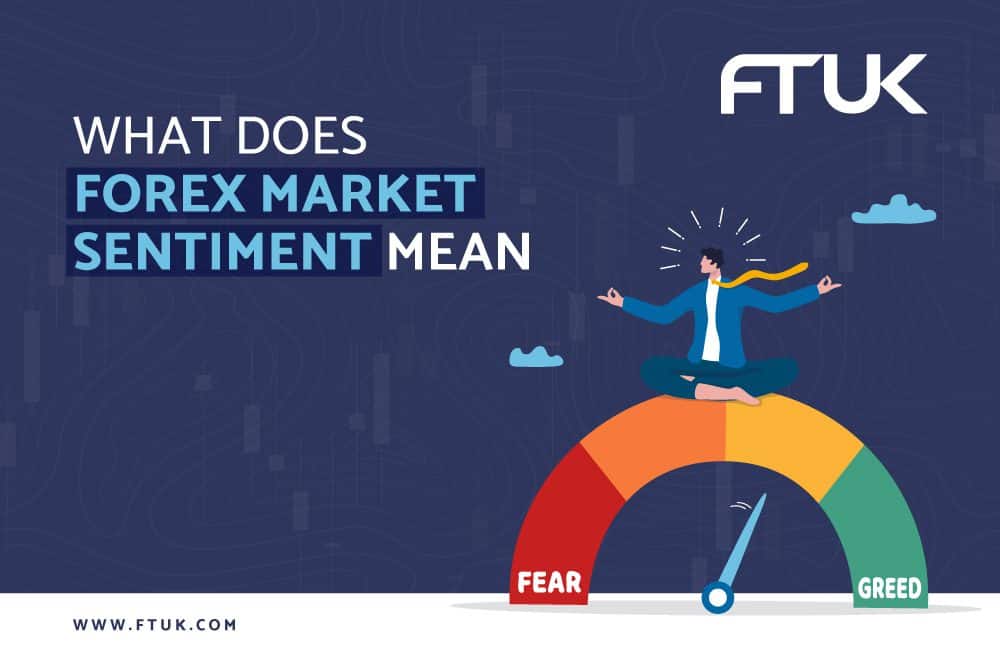
WHAT DOES FOREX MARKET SENTIMENT MEAN?

What Does Forex Market Sentiment Mean?

When it comes to trading forex, you are likely to have decided to include some technical analysis tools as part of your strategy. These help you to identify trends and patterns in the markets, and make informed trading decisions based on probabilities. They allow you to pinpoint the optimum entry and exit points, maximising your chances of making a profit.


Chances are, you have also learnt about fundamental analysis, and apply some of your knowledge when making trading decisions. This keeps you in the bigger picture about the factors which might influence the markets, to help identify opportunities and mitigate against loss.


However, a third analysis tool which is sometimes overlooked is sentiment analysis. Here’s a look at what sentiment analysis means in the forex market, and how you can use it to strengthen your trading strategy.


As the name suggests, sentiment analysis involves reading the ‘mood’ of the other traders in the market, and deciding whether the overriding sentiment is optimistic, or pessimistic. This might seem irrelevant when you can use hard facts such as economic data releases and price action charts, but it is more important than it might first appear.


The overall direction of emotion can have an influence on how the markets will move. Sometimes, this can be in direct opposition to your own thoughts and opinions, but you as an individual are not able to have any influence on the wider market sentiment. Therefore, regardless of your own hunches, you need to learn how to gauge the mood of the market.


You can then choose to go against the current direction, if you personally think that the market will move differently, or you can go along with it. The goal is to identify when a current trend is about to peak, so that you can take advantage of the swing point and maximise your gains, or avoid undue losses. 


Bullish and bearish markets

Before getting into more detail about sentiment analysis, it’s important to understand what bullish and bearish markets are. Both these terms reflect the mood of the majority of forex traders at any one point in time, and how optimistic they are about whether the market will rise or fall.


The terms ‘bull’ and ‘bear’ refer to the way these animals attack their enemies: bulls strike their horns upwards, so a bullish market means one where prices are expected to rise, and investors are buying.


Bears, on the other hand, attack with their claws, swiping downwards. Therefore, when prices are expected to fall and investors are selling, it is called a bearish market.


Because forex trading involves both buying and selling currencies, both market conditions can provide opportunities for traders, to either sell currencies at a profit when they are at their peak value, or to buy undervalued currencies in order to sell at a profit later.


The important thing is to recognise the characteristics which shape each type of movement, because the direction can change quickly and sharply. By learning to understand what makes it tick, you will have a much better chance or staying ahead of the curve.


You will then be able to watch out for the signs of change closely, and incorporate the market sentiment into your trading strategy. This will help you to manage risk better, and determine the most advantageous entry and exit points into the market.


What factors cause a bullish or bearish market?

Several factors influence whether a market is bullish or bearish. These can be economic, political, geopolitical, or technical. If you have already studied fundamental analysis, you will probably have a good idea of what type of events and data releases to look out for.


One of the most consistent pieces of data to follow is the interest rate, particularly at the moment when the central banks of most of the world’s major economies are making regular adjustments. Currently, interest rates are rising to try and control the inflation rate, which is also rising.


Markets normally move ahead of anticipated interest rate rises, so it’s important to follow the economic news. On the other hand, the markets often overreact to unexpected news, so it’s important not to follow the herd, and get caught up in turbulence.


At the moment, the world economic and political picture is especially complex. As the world’s economy continues to bounce back from the effects of the pandemic, employment rates are high. However, ongoing issues with supply chains, caused by backlogs which built up during lockdown periods, are still hampering recovery in some sectors.


Russia’s invasion of Ukraine has complicated the picture still further, sending energy and fuel prices soaring, and driving up the cost of basic foods such as bread and cooking oil. This in turn has led to sharply rising levels of inflation, which in most countries are not keeping up with the pace of wage growth, even though unemployment is generally low.


Differences between trading conditions in bull and bearish markets

Trading a bull or bear market isn’t simply about reversing your procedures, and the markets don’t act in direct opposition to the previous direction of movement. Bull markets tend to build up gradually, over months or even years. A current upward trend of a few weeks should not be interpreted as a bull market.


On the hand, bear markets can happen abruptly. Therefore, you should be ultra vigilant for any headwinds of change in a bull market, and be prepared to act fast. This means short selling, unless you are prepared to sit out the downturn over months or even years.


How to use sentiment indictors

Forex traders use tools called sentiment indicators to help them assess current market conditions. These can give an indication have how the majority of traders are behaving at any one particular time and date. This data can be expressed as percentage points to make it quick and easy to comprehend.


This data should be used as a part of your overall trading strategy, rather than a direct prompt to action. Here are some of the main methods used by forex traders.


Commitment of Traders Reports

Futures traders regularly check the Commitment of Traders (COT) reports, which are released every week by the Commodity Futures Trading Commission (CFTC). This is also a useful tool for forex traders to become familiar with, because it provides detailed information about the demand for currencies and commodities.


It can take some time to understand how to read the COT data, but in general you should bear in mind that the larger speculators and leveraged money and asset managers with trade in line with current trends, where as commercial traders follow counter trends, in order to hedge.


When the market is overloaded with speculators, it tends to go into reversal. On the other hand, when there are fewer large speculators, it tends to lead to an upturn in the markets. When speculators are crossing over from short to long term positions, it tends to mean that conditions are set to remain consistent for the time being.


The terms of trade of the country you hold currencies for is also important. For example, if you are currently heavily invested in the Canadian dollar, you should monitor the demand for Canada’s major exports. These include oil, natural gas, agricultural produce, and timber. When world demand is high, such as at the moment, the value of the currency will rise.


What is risk sentiment?

A part of market sentiment is the attitude of investors and traders to risk. When the mood is risk-averse, which tends to happen during periods of recession, currencies which are regarded as a ‘safe-haven’, such as the US dollar and the Japanese Yen, tend to rise in value.


When confidence is high, during periods of consistent economic growth and high levels of employment, the market becomes more risk-tolerant. This means that traders are willing to take on higher risks in order to maximise their returns, and invest more in minors and emerging markets, such as Brazil, South Africa, and Turkey.


Commodities are also a good barometer of the appetite for risk. Gold tends to hold its value whatever the outer market conditions, whereas silver tends to rise and fall in line with demand.


Copper is one of the world’s most used metals, as it is needed for both construction and manufacturing. Therefore, when the price of copper is rising, it is a good indication that the market is bullish and risk-tolerant. Conversely, a fall in the price of copper indicates an industrial slowdown, and risk-averse safe haven currencies rise in value.


Open interest

The Open interest refers to the number of open positions there are for each currency. This data is available on the futures exchange, and it can be a useful tool for gauging the future strength or weakness of a currency.


In summary

Sentiment analysis is a useful tool for helping you to identify when the market is about to turn. This will help you to define and manage your trading strategy.  However, it should just be one of several tools, and not used as the sole indicator to guide your trading decisions.  


If you are looking for an instant funding prop firm, please get in touch today.

Recent articles


Share:

10 FOREX TERMS EVERY TRADER SHOULD KNOW

10 Forex Terms Every Trader Should Know

If you are new to the world of forex trading, you might have noticed some terminology which you don’t quite understand, or would like a better definition of. There’s a lot to learn, and it would be impossible to cover everything in one article, but these are some of the most important and frequently used terms to know.


Leverage

 This refers to the borrowing of money from a broker in order to invest in trades. The high leverage ratios available to forex traders allows for even a small initial investment to make significant profits. Of course, this comes with the risk of losing large sums too, which is why all traders must work out a robust risk management strategy before they begin.


Many brokers offer instant forex funding with leverage ratios as high as 100:1, allowing a trader to work with far higher amounts of money than their trading account holds.


Margin

When you are trading on leverage, ‘margin’ refers to the amount of money your broker requires you have in your trading account when opening a position. This money serves as a deposit which can be used by the broker. The size of the margin is related to the leverage ratio you are trading with.


Margin is expressed as a percentage of the position size. For example, your broker requires a 1% margin, and you are trading with a 100:1 leverage. You open a position size of $100,000, so you will need to have $1000 in your account, as a deposit or margin. The margin varies between brokers, and can be anything from 10% to 0.25%.


Currency pairs

The forex market is a decentralised global market, where all the world’s currencies are traded against each other. Currencies are quoted against each other in value, and are always traded in pairs. The exchange rate refers to the relative price of two currencies, and is in a constant state of flux.


It is this fluctuation in value between currencies which forex traders aim to interpret, and base their trading decision on in order to make a profit. This can be done by selling in currencies which have risen in value, or through buying in currencies which you expect to rise in value.


Any type of currency can be traded, but it is advisable for beginners to stick to the currencies of the world’s major economies (referred to as ‘majors’), because they tend to be less volatile that those from emerging economies (referred to as ‘exotics’). It is much easier to find buyers and sellers for major currencies than other kinds.


Major currency pairs

The majors always include the US dollar, because this is the largest and most traded currency in the world. All currencies are identified in forex trading by a three letter code. For example, the Us dollar is USD, and the Euro is EUR.


The base currency refers to the first listed currency in the pair, and the quote currency is the second listed. This allows the trader to see how much of the quote currency is required to purchase the base currency.


 The other major economies include the (EUR), the Japanese Yen (JPY), the Swiss Franc (CHF), the Australian dollar (AUD), the British pound (GBP), the New Zealand dollar (NZD) and the Canadian dollar (CAD).


Minor currency pairs or ‘crosses’

The minor currency pairs, which are also referred to as crosses, means that the currency pair does not include the USD, but both currencies are from the other major economies. An example of a minor is GBP/EURO, or CHF/NZD.


They are not traded in as great volume as the majors, but they still provide good trading opportunities for the experienced trader. The most frequently traded minors include the EUR, the JPY, and the GBP.


Exotic currency pairs

An exotic currency refers to a currency from a developing economy, sometimes also referred to as an emerging market. An exotic currency pair means an exotic paired with a major. Two exotics can also be paired together, referred to as ‘exotic v exotic.’


Examples of exotic currencies include the Singapore dollar (SGD), the South African Rand (ZAR), and the Mexican dollar (MXN). There are hundreds of other examples, which are too numerous to list here!


Pip

Pip is short for Percentage in Point, otherwise expressed as Price Interest Point. A pip refers to the change in value between two currencies.


It is the smallest whole unit price move that an exchange rate can make, and it is usually the fourth (and last) decimal place of a price quote. In some cases, such as with the Japanese Yen pairs, there will only be two decimal places, so the pip will be the second and last decimal place.


For example, the EUR/USD currencies show a move from 1.1440 to 1.1441, then the value of the USD has risen by one pip.


Pipette

In some cases, forex brokers may quote currency pairs to 5 or 3 decimal places, rather than the standard 4 and 2. This is a fractional pip, or pipette, and it is equal to one tenth of a pip.


Learning how to read pips and pipettes, and calculate their values accurately, is an important skill in forex trading. It’s not that complicated, but it does take some practice, especially because there will be times when you need to read them swiftly and accurately to make a trading decision.


Tracking the changes in pip values (which can be very tiny) as the forex markets fluctuate is the essential work of the forex trader. This then needs to be back up by a sound trading strategy, in order to maximise profits and mitigate and losses.


There is no right or wrong way to go about trading, and even experts make errors of judgement sometimes. However, you must have a solid risk management strategy in place before you open live trading positions.


Lot size

This refers to the units of base currency in each trade. In forex, a standard lot size equals 100,000 units of the base currency. It is possible to take smaller lot sizes (known as mini lots) of 10,000 units of the base currency, and also micro lots, which are 1,000 units of the base currency.


In some cases, you may even be able to trade nano lots, which are 100 units of the base currency. This makes forex trading accessible to those with smaller amounts of capital to invest. When you place an order on a trading platform, the size will be quoted in lots.


The lot sizes might seem large, but in forex you often need to trade significant amounts of currency in order to turn a profit.


Long and short trades

The term ‘going long’ means that you are buying a currency, as opposed to ‘going short’, when you are selling a currency. Because currencies are always traded in pairs, you will always be going long on one currency and short on the other. You will make your decision to buy or sell a particular currency based on whether you expect its value to rise or fall.


In a forex trade, when buying, or going long, the base currency is purchased and the quote currency is sold. When selling, or going short, the base currency is sold and the quote currency is bought. (The base currency is always the first listed in a currency pair, and the quote currency is second listed.)


Bid price and ask price

The bid price refers to the buying price, and the ask price is the selling price of a currency. The bid price will always be lower, given that the aim is to make a profit. A transaction takes place when a buyer decides to increase their bid price, or a seller decides to lower their ask price, until a sale price is agreed.


Spread

The spread refers to the difference between the bid price and the ask price. You may also see it referred to as the bid/ask spread. This is also sometimes referred to as the transaction cost, because the broker takes the spread value as a client fee on the transaction.


Bull markets and Bear markets

The terms bull and bear are used to describe the general trending direction of the financial markets. If a market is described as bullish, it means that investor confidence is high, and the economy is performing well, with high GDP, low unemployment, and low rates of inflation.


A bear market refers to negative economic conditions, where the economy is performing weakly, and unemployment is high. Investors will tend to transfer to safe currencies, such as the USD, as sell off riskier investments.


It is possible to make good profits in both bull and bear markets, if you follow the economic news and latest data releases carefully to help predict which way the market will turn. However, it is not advisable to make reactionary decisions and follow the crowd, because this can often lead to unwise trading choices.


Always let any strong fluctuation in market conditions settle down before making nay major buying or selling moves in the forex market.

Recent articles


Share:

5 CORE SKILLS TO DEVELOP AS A FOREX TRADER

5 Core Skills To Develop As A Forex Trader

While it may be true that anyone can start trading currency pairs on the FX markets, it’s important to remember that it takes time, motivation and a lot of dedication to become a truly successful trader and to start making a real career out of it.


Of course, it’s essential that you take the time to read up and research the markets themselves so you can gain a solid understanding of just what’s involved. This will ensure that you get off on the right foot and know what to prioritise in order to start seeing the wins start piling up.


While this is an excellent first step to take when considering entering the FX trading melee, it’s also essential that you work on developing a range of different skills that will stand you in good stead as a trader.


By prioritising the core skills that are absolutely vital for any successful trader, you’ll really be putting yourself in a strong position and you’re sure to grow in confidence quickly, as you feel increasingly capable of reacting in the appropriate way, no matter what happens with the markets.


But where to begin? Where best to focus your attention first?


To help you work out which core skills are the most relevant to you and where you are along your trading journey, here are some of the most essential of them all. Which of these resonate with you right now?


Maths skills


It’s the digital age, which means that we’re well blessed with all sorts of innovative technology that can do the hard sums for us, but traders will certainly find that they’re able to trade more effectively and potentially enjoy the process more if they’re comfortable and familiar with numbers and maths terminology.


Think of the market as a series of numbers on a graph, numbers that fluctuate in positioning over time. If you become proficient at processing and analysing these numbers quickly in relation to what’s happening on the graph, you’ll find the trading gig starts to click.


The key word here is ‘quickly’… you can, of course, use technology to its full advantage if you want, but you’ll likely find that it’s too late for the answers you receive to be applied, with the markets moving on quickly – which means you may miss out on some interesting trades.


That’s why personal maths skills are an absolute must!


Autonomous thinking


The Beatles said it best when they sang, “think for yourself ‘cause I won’t be there for you”… and this is a great little phrase to remember when you’re trading.


Yes, it’s important to learn all you can and absorb as much information as you can from external sources and other traders, but it’s all about how you go about applying the knowledge you acquire that will make the difference where your own individual trading is concerned.


Remember that what works well for one person may not prove particularly effective as a strategy for you and over time, you should start to build up your own unique trading profile and style.


This is where a trading journal really comes into its own. You need to take in a huge amount of info as a trader and it can be difficult to order your thoughts accordingly or to make sense of what’s happening day by day.


Writing everything down will help you develop as a trader and make market analysis a lot easier, so you can see where you’re going wrong and where you’re doing it right.


Maintaining focus


How quickly you progress as a trader will largely depend on how good you are at maintaining your focus on the task at hand, ignoring all other distractions… no matter how tempting they may well be.


If your attention wanders and you find yourself no longer truly zeroed in on what you’re doing, it’s possible that you’ll miss vital market cues that could have led you down the path to a very lucrative win indeed.


The good news is that there are lots of ways you can work on your focus and concentration, helping you to build the skills you need to trade.


Getting rid of the distractions is a good place to begin, so turn off your notifications, switch off your devices, put your phone on silent and perhaps even hide it away somewhere.


An interesting study recently revealed that having your phone out on the desk can actually impair cognitive capacity, affecting your ability to think and problem solve… even if you’re not using it!


So if you really want to start making waves as a trader, it might prove beneficial to stay well away from your phone while trading.


Leadership skills


There are all sorts of personal traits that you’ll work on if you prioritise leadership skills with a trading perspective in mind.


Good leaders are able to be disciplined and motivated, have the confidence to forge ahead with their plans but the humility to admit when they were wrong, have strong emotional intelligence and are able to keep their egos well in check… all of which will really serve you well when trading.


If you’re unable to lead yourself, you won’t be able to develop the mental and emotional skills you need to successfully take on the challenges presented by the markets… but it doesn’t have to be this way!


There are lots of techniques you can employ that will help you develop your leadership skills – and you’re sure to see the impact the next time you sit down to trade.

Discipline, for example, can be engendered in lots of small ways, whether that’s by waking up early every day, meeting all your deadlines, keeping all your appointments or making sure that meetings end on time.


Taking on more responsibility can also help hone your leadership skills, so don’t shy away from opportunities if they come your way. Always make sure that you don’t take on more than you can manage, but try to step out of your comfort zone if you can… you’ll be surprised at just how much you learn!


Critical thinking


Critical thinking is an absolute must when trading currency pairs! Emotional management is an oft-discussed topic on the blog and any trader worth their salt knows that it’s vital they keep their emotions well in check while trading so as to ensure solid decision-making at all times.


By developing your critical thinking skills, you’ll find yourself better able to make more rational decisions, rather than being led astray during emotionally charged sequences of events.


But also don’t be afraid to turn your critical thoughts inwards on a regular basis. Becoming more self-aware is essential to your trading progress and being honest with yourself will help you develop the technical skills and psychological resilience you need to have a lucrative career in forex trading.


There are lots of different elements involved in critical thinking, but the key concepts are open-mindedness, analysis, decision making and problem solving, good communication, self-improvement, analysis and interpretation.


One particularly important aspect for traders is becoming more aware of your own mental processes… how and why you make the decisions and choices you do.


Because we’re bombarded with such swathes of information on a daily basis, our brain has to compensate for it by using heuristics (or shortcuts) to help us make sense of everything that’s happening.


This is very useful, of course, but it can often get in the way when it comes to making decisions, so as a trader it’s perhaps a wise idea to try to become more aware of your cognitive biases and personal prejudices, which can actually have a big impact on your choices… even if they seem objective to you at the time of making them.


To help develop your critical thinking skills, why not start by questioning all your assumptions?


Ask yourself why you’ve done something in a certain way and see whether it was actually the best way after all. Be open-minded and accepting of all different arguments and points of view to see if you can make any positive and effective changes in how you trade.


And, of course, evaluation of your own work is a must if you’re to identify weak areas and those ripe for improvement. Look through your trading journal and see how what’s in it stacks up to the realities you see before you, then decide if further analysis is required so you can change your trading strategy for the better.


Through our instant forex funding program, you can receive instant funding on a live account, all without having to go through an evaluation.


If you’re a profitable trader who wants to take your profits to the next level quickly, this is the program for you. Get in touch today to find out more.

Recent articles


Share:

BEST STRATEGIES FOR PART-TIME TRADERS

Best Strategies For Part-Time Forex Traders

The majority of people trade forex markets part-time, usually as a side hustle to their main occupation. Because the forex markets trade almost 24/7, this is a perfectly achievable goal. In fact, trading part-time can be an advantage, because it calls for a more disciplined approach. Here are some tips on how to put together a strong part time trading strategy.

Know the best trading times

If you are working a 9-5, then you are probably going to be trading either before or after work, or during your lunch hour. The markets close at 5pm on Friday, and re-open at 4pm on Sunday. However, the weekends should also be used to refine your trading strategies, and carry out long term market analysis.

The major forex centres in the world are London, New York, Tokyo, and Sydney. Because these cities are in different time zones, and there is no centralised forex exchange, it is possible to find good trading conditions at most times of the day. However, the geographical trading zones are not open continuously, but overlap each other.

If you are based in the UK, the Sydney session trades from 12 midnight until 6am, the Tokyo session trades from 12 midnight until 9am. The London markets open at 8am and close at 4pm, and the New York markets open at 12 noon and close at 9pm.  These hours might vary slightly, according to the seasonal daylight-saving hour adjustments.

So, although the markets are available to trade 24/7, they are at their most active when there is a crossover session between two zones, such as 8am to 9am, when the London markets open, and the Japanese session is in its final hour. The first hour of opening for each zone is also usually one of the most active times.

Because the UD dollar (USD) is the most popular currency pair, the New York session tends to experience the highest volumes of trading on an average day. Therefore, the lunch break hours, from 12-2pm, and the period from 5pm- 9pm, when most UK workers will have finished their day job, are excellent times to trade.

Pick the currency pairs to suit your trading times

At all times, novice forex traders are advised to stick with the major currency pairs, which always include the USD. The other major currency pairs include the Euro (EUR), the Swiss Franc (CHF), the Australian dollar (AUD), the British pound (GBP), the New Zealand dollar (NZD) and the Canadian dollar (CAD).

If you are trading morning hours, you could pick the Japanese Yen (JPY) as your other major pair, because there is a crossover period with the Tokyo market between 8am and 9am. The European currencies are also good options for this time of day. Other good crosses for this time are the AUD/JPY, and the USD/JPY.

The major currency pairs have the most liquidity on the market, meaning that they almost always have readily available buyers and sellers. This reduces the risk of making losses, and maximises your opportunities for taking a profitable trade.

If you are trading evening hours when both the US and European sessions are open, then USD/EUR or USD/GBP pairs will be at the highest levels of trading volumes. Of course, time isn’t the only factor that influences the markets, but if you are a part time trader, it is one of the most important factors in your trading strategy.

Using price action strategies

If you have good technical skills, and are good at analysing charts and data, you may be able to incorporate a price action strategy into your trading. This involves dipping in and out of trading for brief frequent periods throughout the day, rather than a more prolonged session at the beginning or end of the day.

Obviously, not all full-time jobs will lend themselves to this approach, but if you have flexible working hours, then you might be able to find a way to make it work. The key is to follow your chosen technical chart closely, and make a series of trades based on the uptrend or downtrend of the price action indicators.

Often, a trade will be held for just a few minutes or even seconds, and the gains from each individual trade are usually small. However, because the process can be repeated quickly, the profits can build up in a short time frame.

This technique is sometimes referred to as scalping. It does have the potential to bring very lucrative rewards, but it is also a riskier strategy than a longer-term approach. If you are interested in short term trading, you must first be very clear about where your risk tolerance boundaries lie.

Set out from the beginning how much money you are willing to lose on each trade, and don’t be tempted to go over this, or take more leverage. You will also need to be able to control your emotions and take a tough pragmatic approach. This is important for any type of trading, but especially so when you are making a series of quick decisions under pressure.

Read up on trading psychology so that you are mentally prepared for the rough and tumble of trading. Even the most level headed of us are prone to feeling the primal human emotions of fear and greed at times, and they are amplified when we are trading.

This is because it is a natural human tendency to want to reap the biggest rewards for ourselves, and to fear making a loss. If these emotions get the better of us when we are trading, we could use too much leverage, hold on to winning positions for too long. On the other hand, we could become over-cautious, closing down trades prematurely.

The best way to avoid letting emotions interfere with your trading is to have clear exit and entry strategies, a stop-loss policy, and a good understanding of what influences the markets. Above all, you should have the discipline to stick to your strategy through thick and thin, and avoid chasing numerical goals in your trading.

Using long term strategies

Many part time traders prefer to take a more long-term approach. Forex trading is rarely a get-rich quick scheme, and it often works better when a trader pursues a steady disciplined approach, learning from mistakes and making small gains, at least for the first few months or even years.

Making longer term trades requires a good understanding of what moves the market, by analysing graphs and charts to identify trends and patterns, and also by following economic data releases relevant to your currency pairs. For example, the unemployment rates, interest rates, and inflation rates all have a strong pull on the movement of the markets.

Use an economic calendar to help you keep a track on the data releases on a daily basis. Also be aware of wider geopolitical events, such as election announcements, natural disasters, wars, pandemics, and so on, and these impact currency prices. Learn how to interpret them for each country or economy that you trade with.

Swing traders hold open positions for a few days or even weeks at a time, and then make their move off the back of market imbalances. However, be cautious of rushing with the crowd on the back of a major announcement. This is because the markets can be highly volatile at times like these, and they do not always move in predictable ways.

Beware of the whipsaw effect, when a sharp upward or downward trend is suddenly reversed, catching those who have rushed into making a move off guard. It is a much sounder strategy to let the markets settle down first, before making any decisions.

Swing trading requires good technical analysis and a sharp eye on the economic calendar. It can work very well for part time traders, because any fluctuations in price tend to have settled down by the end of the day, meaning that the opportunity for a fair gain is there.

If you don’t think that you have the time or commitment for short term or swing trading, then long term position trading may suit you best. This is where a position is held over months or even years, and relies on long term analysis of the currency fluctuations between your chosen pair.

Keep a trading journal

Good traders keep a record of all their movements, to allow them to keep track of their trades, but also to help identify which strategies and currency pairs are working best for them. This is especially important if you are a part time trader, as it will give you an insight into your performance in more detail and clarity than you would otherwise have.

If you have been trading morning hours without making much progress for example, you could change your trading hours to the evening to see if you can track any improvement.

Conclusion

Part time forex trading is accessible to everyone, with instant forex funding available at a low barrier to entry. The main factors to be aware of is how the time of day affects your currency pairs, and how your trading strategy can be shaped by your limited time frame.

Recent articles


Share: