Risk to reward in trading
Trading in the Forex market can be a high-risk activity. It can also be a lucrative one. The risk to reward ratio is the most important factor when it comes to managing risk in this market. There are many factors that can affect how a trader might use the risk to reward ratio. These include volatility of currencies, leverage, trading style, and more.
The risk to reward ratio is one of the most important things to consider when finding a trading setup. If you are not careful, you can easily get carried away by a certain trade and end up losing more than you make without any plan or control over a trade.
The risk to reward ratio is a measure of potential profitability versus potential loss. It is calculated by dividing the possible return on an investment by its corresponding possible loss.
A trader needs to carefully assess his or her own plan of risk and rewards before entering into the forex trading markets. Forex traders should also know their own risk tolerance and be aware of their own psychological strengths and weaknesses before they start investing.
As mentioned, the risk to reward ratio in forex trading is a main consideration for traders. In some cases, the more risk the trader takes, the higher the potential for reward. In forex trading, there are two types of risks: market risk and personal risk. Market risks are those that you cannot control, and they include things like currency volatility and interest rates. Personal risks are those that you can control, such as your trading style and discipline trade by trade.
What should my Risk to Reward look like?
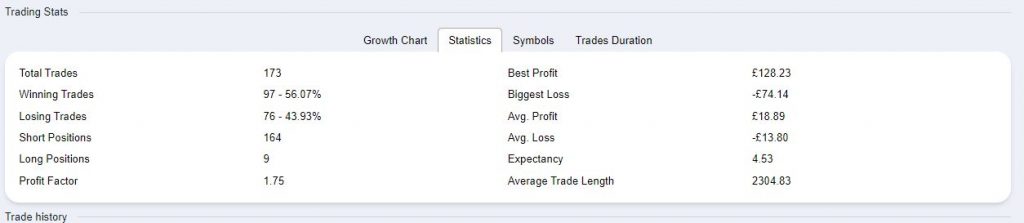
Risk and reward are two sides of the same coin, and in forex trading, this is no different. The risk to reward ratio is a measure of how much risk you take on for every pound you make. For example, if you invest £1,000 and make £2,000 – your risk to reward ratio would be 1:2.
Ideally traders want at least a positive risk to reward of 1:2 or higher in a profitable trading strategy.
Trading in the Forex market can be an exciting endeavour, but it also comes with a lot of risks if there is a lack of control.
The risk to reward ratio is one of the most important factors that traders need to consider when they are considering whether to enter a trade. The higher the risk, the higher the potential for profit. Therefore, many traders are willing to take on high-risk trades in order to make more money.
A good trading strategy will also likely use a consistent risk to reward ratio to balance out their trades. Constantly using 1:1 and 1:9 risk to reward ratios might unbalance a trading system and cause traders to lose control over their market judgment. The whole idea of effective risk: reward is that we grasp an element of control before we even get into a trade. This is because we know the best- and worst-case outcomes for that given investment.
As with any business or investment, there is always a risk to reward ratio. The higher the risk, the higher the reward. This is true for forex trading as well. The risk to reward ratio in forex trading has increased over time due to the evolution of the trading platforms and the availability of information on these platforms.
In forex trading, the risk to reward ratio is a ratio of how much you can lose to how much you can gain. It is the inverse of the probability of success. In other words, it’s a measure of how risky your decision is.
A high risk to reward ratio means that you stand to gain a lot from your investment but if things go wrong you stand to lose an awful lot too. A low risk to reward ratio means that your decision is less risky, and you stand to gain a little less in return for not risking as much.
A forex trader must decide whether the risk is worth the reward. The more risk a trader takes, the higher the potential return. But it’s important for traders to remember that they can only lose money on a trade.
Placing trades with significant risks and not knowing where the exit point is can also be a bad idea for a trader. We need to comprehend how these risks work and, logically, if the reward in forex trading increases proportionally to the level of risk in forex trading.
A lot of novice traders in this space may not take into account that market fluctuations are inherently impossible to predict. What they do know is that when you buy or sell at a specific time, when prices fall or go up if might provide them with an opportunity. How a trade can spot an opportunity through that will determine how successful they will be.
The risk to reward ratio is a key factor in determining the success of a trader. It is important to understand the uses of a risk reward tool and make sure that we use them for every trading setup! Don’t be lazy!

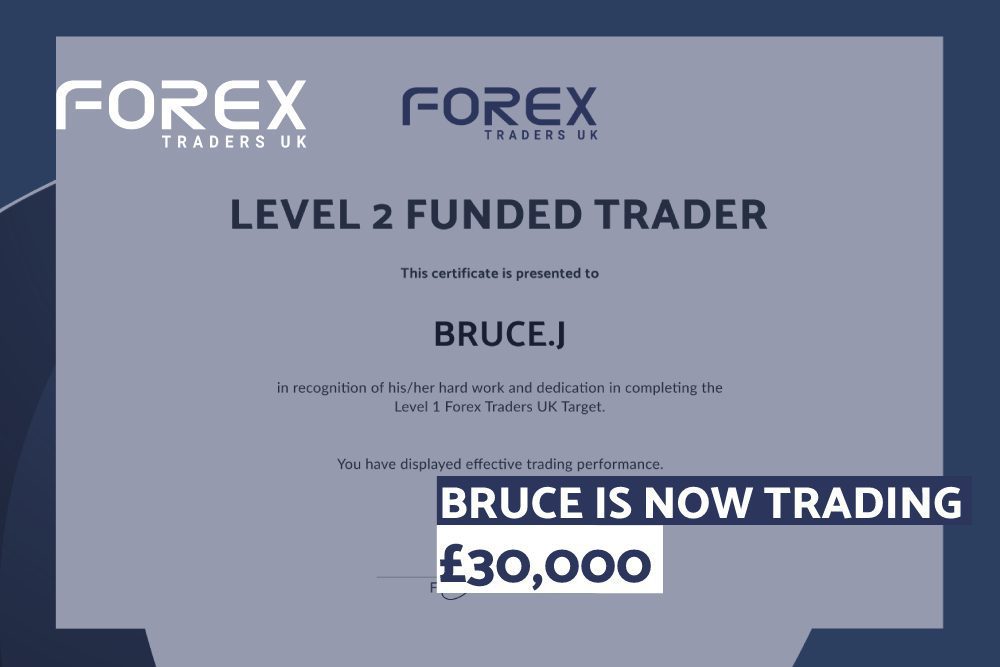
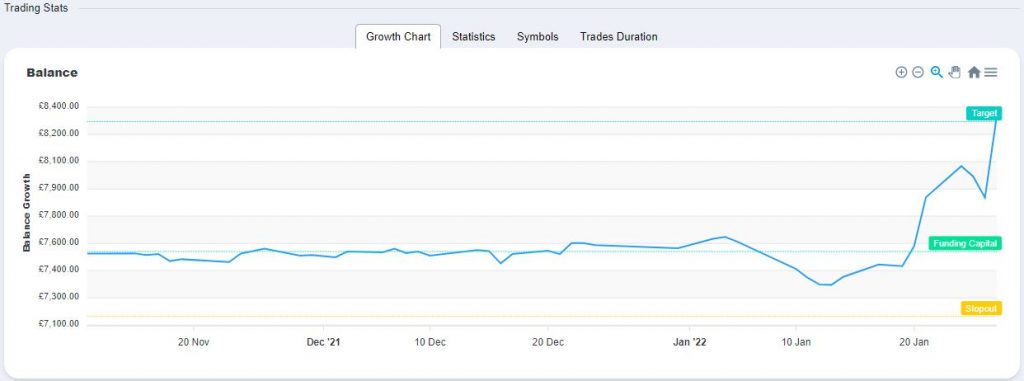 How long have you been trading for?
5 years plus
How long did it take you to become profitable and how did you become consistent?
4 years plus
What trading methods do you use? Elaborate on your trading style.
I work top down – Global Macro, Sentiment (Risk on/Risk off), price action with entries off Fibs and Pivots
What has been your biggest hurdle to overcome?
Patience, position sizing
What has been your best moment in your trading career?
Meeting Beat Nussbaumer, an ex Goldman Sachs Trader who has taught me so much over the last year. My trading improved immeasurably working with him
Why did you choose Forex Traders UK?
You had good write ups on social media and Trust Pilot specifically service and I wanted to skip the typical evaluation programmes.
What would you say to other traders starting out with Forex Traders UK?
Firstly, the service online has been excellent and secondly this is a long term game. There may be traders who will make a lot more than me but how many will still be here in 2 years or more.
What are you goals long term in trading?
I am a senior (63 years old) and cannot ever think of retiring and doing nothing. Trading is the most fascinating (and tough) enterprise once can be involved in, from reading about global finance, through geo-polotics, to studying correlations between bonds, stocks, fx etc fascinates me and keeps my mind active. I am never bored.
Feel free to share anything else with us!
There are many ways to make moeny in trading. My approach suits me and my personality but it is no holy grail. Others make money on pure technical analysis or price action. My approach just works for me.
How long have you been trading for?
5 years plus
How long did it take you to become profitable and how did you become consistent?
4 years plus
What trading methods do you use? Elaborate on your trading style.
I work top down – Global Macro, Sentiment (Risk on/Risk off), price action with entries off Fibs and Pivots
What has been your biggest hurdle to overcome?
Patience, position sizing
What has been your best moment in your trading career?
Meeting Beat Nussbaumer, an ex Goldman Sachs Trader who has taught me so much over the last year. My trading improved immeasurably working with him
Why did you choose Forex Traders UK?
You had good write ups on social media and Trust Pilot specifically service and I wanted to skip the typical evaluation programmes.
What would you say to other traders starting out with Forex Traders UK?
Firstly, the service online has been excellent and secondly this is a long term game. There may be traders who will make a lot more than me but how many will still be here in 2 years or more.
What are you goals long term in trading?
I am a senior (63 years old) and cannot ever think of retiring and doing nothing. Trading is the most fascinating (and tough) enterprise once can be involved in, from reading about global finance, through geo-polotics, to studying correlations between bonds, stocks, fx etc fascinates me and keeps my mind active. I am never bored.
Feel free to share anything else with us!
There are many ways to make moeny in trading. My approach suits me and my personality but it is no holy grail. Others make money on pure technical analysis or price action. My approach just works for me.