HOW TO BEAT THE DISPOSITION EFFECT IN TRADING

How To Beat The Disposition Effect In Forex Trading

In forex trading, the disposition effect refers to the psychological tendency to sell assets that are making a profit too early, and to hold onto losing assets for too long, in the hope that things will turn around. Both of these behaviours are a barrier to making the best rewards from your forex trading. Here’s a look at how you can overcome it.


Acknowledge your biases

Psychologists think that we react disproportionately when faced with a potential gain or a potential loss, because the pain of losing is more intense and damaging that the pleasure of making a gain. This probably has a sound evolutionary basis, because in previous eras, it could literally mean the difference between life and death.


So we are talking about powerful and primitive human emotions here, which to a certain extent, we have learnt to supress in modern life. However, our subconscious mind is always at play, and when we are under pressure and the stakes are high, our emotional state can go into red alert.


Even experienced professional traders stay on their guard against the mind’s natural tendency to be loss averse, and conversely, to take irrational risks. It is not a sign of weakness to admit that sometimes, we all make subjective decisions based on gut reactions, rather than analytical and objective decisions.


In fact, acknowledging you will sometimes take illogical risks, or be too loss averse, is a sign of mental strength. It’s the way the human mind is designed. Admitting it puts you in a better position to understand and tackle your biases, and therefore makes you less prone to letting them get in the way of a sound trading decision.


How do you recognise the disposition effect?

So, you’ve accepted that you are prone to the same patterns of thought as everyone else. You are already gaining a competitive advantage over your trading rivals, by understanding the need to tackle the disposition effect in your own trading.


Review your records of your last month’s trading. Look for situations where you have closed a profitable position quickly, when holding out for longer would have led to a bigger profit. Also look at your losing trades. Have you hung on to any of them in the hope of a price swing, even though you had no logical evidence that this may happen?


If you can see a tendency to settle for the minimum profit, and/or hold on to a losing position for too long, thus increasing your losses, then you are falling prey to the disposition effect. Even if you don’t see these patterns, or you are a novice without much experience behind you, it can still help to broaden your understanding of cognitive biases.


Overconfidence and pride can be just as dangerous as excessive loss aversion when it comes to forex trading. There’s nothing wrong with enjoying your successes, or feeling disappointed in failure; after all, these are often the emotions that drive us all. However, a good trader is always on the lookout for pitfalls, and keeps an eye on the bigger picture.


Loss aversion, cognitive bias, the pleasure/pain principle, subjective thinking, the greed and fear drive, being led by the emotions; call it what you like, we are all prone to it, especially when we are under pressure to make a quick decision.


How do you avoid it?

On the face of it, avoiding the disposition effect is straightforward: don’t hold on to losing positions for too long, and don’t sell profitable ones too soon. However, as we have seen, the mind has a natural bias to do both of these things. Neither will lead to optimal success as a trader, and if unchecked, it can cause real damage financially and personally.


Have a clear trading plan

One of the most effective ways to keep your thought processes clear and rational is to plan ahead. Setting targets which are compatible with your trading goals and risk tolerance levels, and then having the mental and emotional resilience to stick to them, is the number one method to avoid making unplanned and unwise trading decisions.


However, avoid setting yourself fixed numerical targets. Rather, form your plan around determining your position size, and defining your entry and exit points. Above all, your framework should be based on the well-known SMART acronym: it must be Specific, Measurable, Achievable, Relevant, and Time-bound.


Know your risk parameters

Start by defining your risk tolerance. This means making an honest and realistic assessment of how much capital you have to play with. Make a spreadsheet documenting your monthly income and outgoings, and any savings you wish to use as capital. This will give you an idea of how much of your own money you are willing and able to invest.


A modest amount of capital is no barrier to entry into trading, because many brokers will offer forex instant funding with leverage. However, you must decide in advance how much loss you are prepared to risk on each trade. This should be in proportion the amount of capital you have put up.


If the loss margin is enough to keep you anxiously glued to screens and charts for hours, then it is too much! Your trading decisions will be more likely to be based on fear and greed, than a sound trading strategy. The amount you can stand to lose should not leave you feeling edgy and uncomfortable.


Know yourself

While some of the psychological traits we have discussed are universal to all humans, we are also individuals with different temperaments and personalities. Some of us tend to be phlegmatic and methodical, others are more highly strung and impulsive. We can learn to use our individual traits to our advantage in trading.


For example, a thorough and detail orientated person will thrive on market analysis and may have the edge in making logical decisions. However, they should be aware not to let their risk aversion get the better of them.


A more instinctive person who likes to keep an eye on the bigger picture may have the advantage in getting ahead of a curve and making quick decisions. However, they may need to guard against unnecessary risk taking and overconfidence.


Look after yourself

Whatever your personality is like, we can all benefit from a lifestyle that boosts our mental and physical wellbeing. When we are well nourished and well rested, we are going to make better decisions, and be less tempted to cut corners and take risks, than if we are stressed and burnt out.


Avoid letting your trading become all consuming, whether you are working it around a day job, or making it your full-time occupation. It is important to have downtime, whether to socialise, exercise, or just chill out. It allows the mind to process the events of the day, and keeps our resilience levels topped up, so we are not floored by minor setbacks.


Many traders, as well as other highly successful entrepreneurs, like to include some meditation time before they start their day. This helps to focus the mind and sets them up for the rigours ahead. The techniques can also be drawn on in stressful moments throughout the day, to help with mental clarity and concentration.


Meditation can take a bit of practice if you’ve not tried it before. There are plenty of apps and books which can talk you through simple techniques, such as diaphragmatic breathing, progressive muscle relaxation, and so on. It’s worth preserving with even it at first, you find it difficult or don’t notice the benefits straight away.


Over time, you will find that even 10 minutes of sitting quietly can help you ground yourself, and move beyond those superficial thoughts and emotions which tend to crowd our minds during the daytime. Some people find it helps them with the more abstract thinking that is useful when analysing graphs and charts, and other market data.


Beware of social pressure

Be careful about your social network, both on and offline. If you mix with other traders and swap stories, be aware that this may lead you to seek pride, and become overly fearful of regret and loss. Peer pressure, and the tendency to try and boost our social status, can lead to emotional rather than rational trading decisions.


Our mind’s negative bias means that regretful thoughts often keep us awake at night, going over what you should have done, or what might have been. Unfairly, our successes rarely have the same impact. We could have experienced five successful or pleasurable events during the day, but it will be one negative experience that comes back to haunt us.


Good traders learn not to wallow for too long in success or failure. This is a well-known technique of positive psychology, which is useful to learn about, not just in a trading context; it can help with other areas of our professional, personal, and social lives.


In conclusion, we need to acknowledge the disposition effect in trading, and combat it through a solid trading strategy, combined with building up an emotional distance around our decision making.

Recent articles


Share:

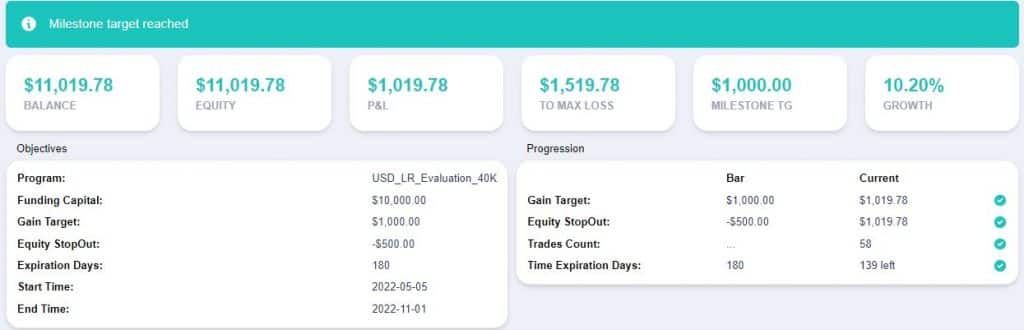
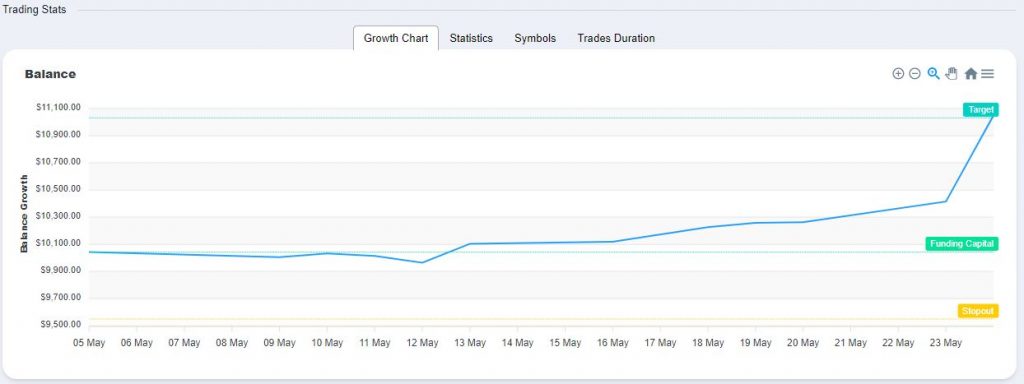
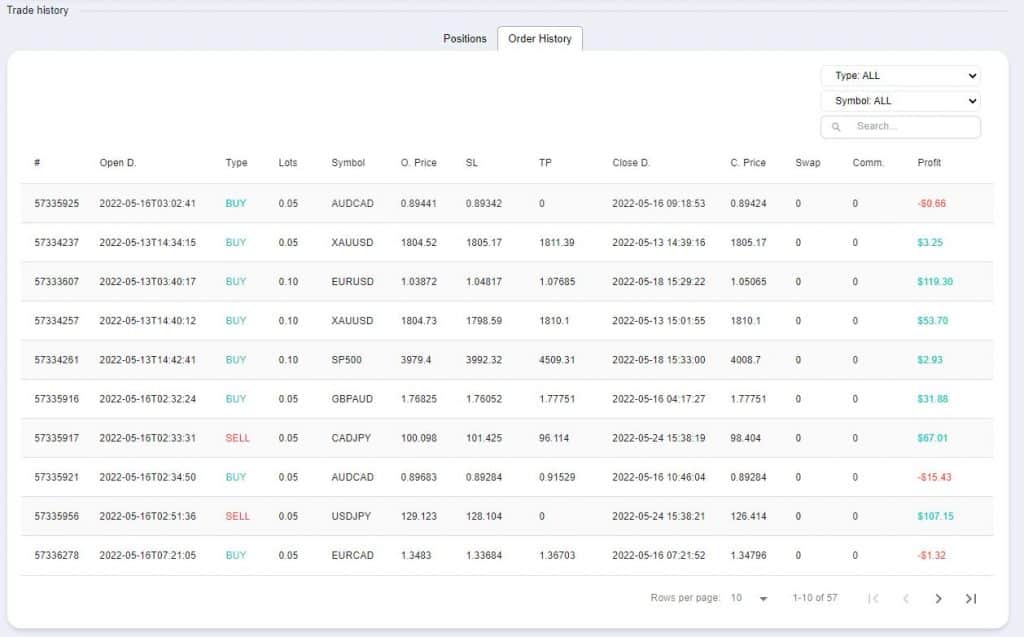
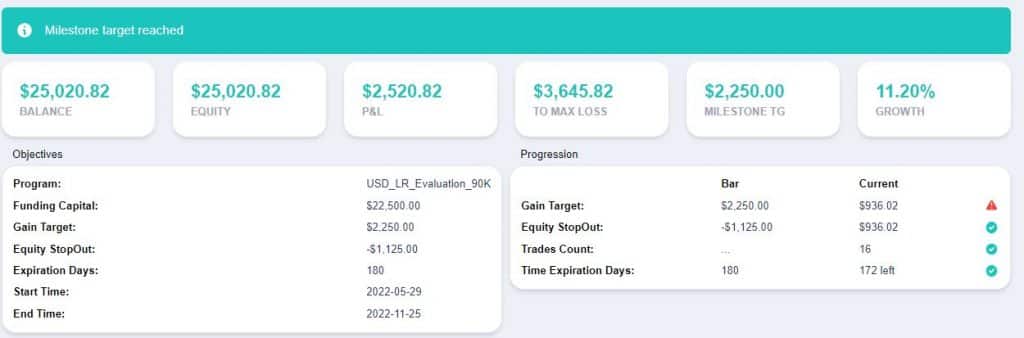
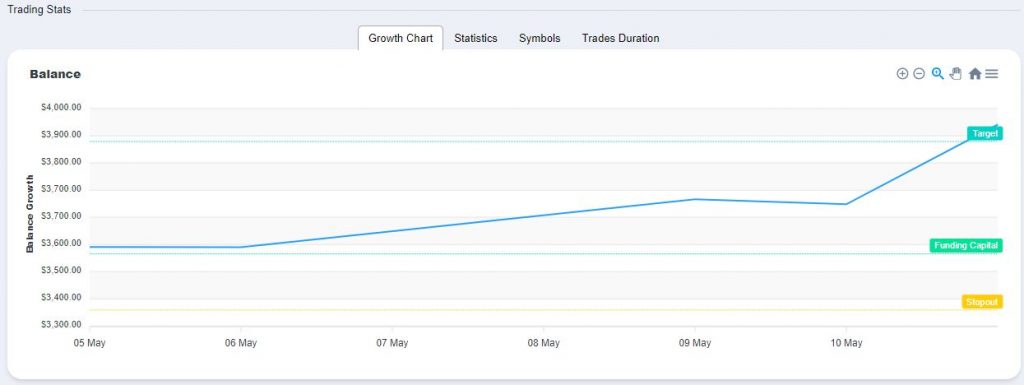
DAY TRADER REACHES THE PROFIT TARGET

DAY TRADER REACHES THE PROFIT TARGET


What is your name and location?

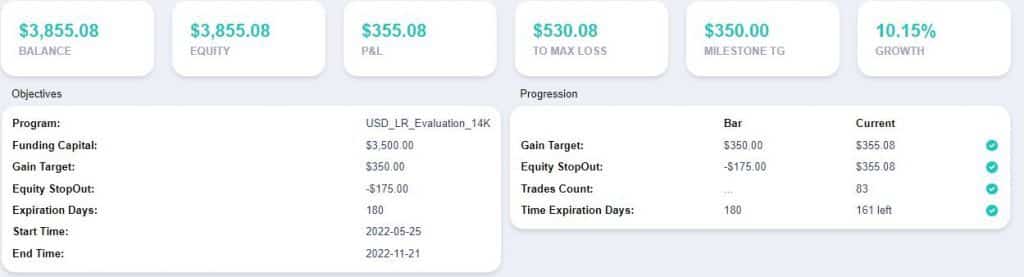
… My name is Thuy Hoang and I am a day trader!


How long have you been trading?

I have been trading for 5 years


Have you used other prop firms before?

Yes, I have participated in many funds and been funded.


What has been your experience with us so far?

I am very pleased that you answered all my questions quickly, I feel you are very professional and I would like to work with you for a long time.


What is your main trading style?


I trade by resistance and candlesticks, technical analysis only. 


Do you have a trading plan in place, and do you follow it strictly?

I think it’s very important to follow a planned week because it will give you control.


What is your favourite instrument to trade?

I like to trade with engulfing patterns at the support zones.


What would you say to the other traders trading with FTUK?

uh…at FTUK there is a fund program with reasonable prices and very comfortable terms for trading and fast support.


What are you goals long term in trading?

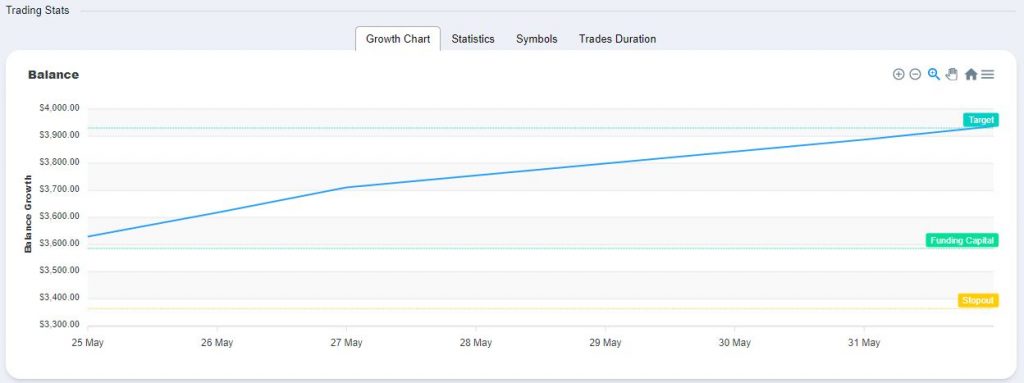
My goal is to try to keep the fund through each stage and keep the million dollar fund.


PABLO IS NOW TRADING $14,000!

Pablo is now trading $14,000!

https://youtu.be/Vst8D0kpnEI

How long have you been trading for?5+ Years How long did it take you to become profitable and how did you become consistent?2 Years – by following price action and supply and demand What trading methods do you use?Trendline Breaks, Volume Spread + Supply and Demand What has been your biggest hurdle to overcome?To respect my daily loss limit What has been your best moment in your trading career?When I became disciplined and self-controlled. Why did you choose Forex Traders UK?Anytime withdrawal and fast scaling. What would you say to other traders starting out with Forex Traders UK?Get your Money Management and Strategy right, FIRST. What are you goals long term in trading?Generate income and investment capital. Feel free to share anything else with us!Thanks for the opportunity. 


THE IMPORTANCE OF A DAILY TRADING ROUTINE

The Importance Of A Daily Trading Routine

It can be easy to underestimate just how necessary it is to nail down your daily trading routine, especially if you are a novice. It might seem like a game fuelled by instinct and the thrill of the moment, but most successful forex traders will tell you that a well organised and disciplined approach is crucial if you want to make progress. 


You can read as many books on forex or take as many online courses as you like, and that is important, but it must be matched by a structured daily routine. There’s no benefit to knowing how to drive a car if you don’t follow the rules of the road; in fact you will probably have an expensive crash, and the same applies to trading.


What is the purpose of a trading routine?

The trading routine is a part of your wider trading strategy, which you must have worked out before you even think of going live on the markets. It should include the details of each daily task, set down in a checklist to make sure that you miss nothing out.


Even if you don’t normally make lists and think you have a good memory, writing things down can help you focus your ideas, keep accurate records of your trading methods, and ensure that you don’t miss out on those small details. It can help you maintain your discipline if you are tempted to cut corners, which can lead to big mistakes.


A routine is doubly important if you are prone to getting side-tracked, or work in a place where distractions and interruptions are difficult to avoid. This may be true for many amateur traders, who fit trading into evenings and weekends, when family are around or friends are prone to dropping in.


What should your routine include?

Meditation

Before you even start to make decisions, it is important to make sure that you are in the right frame of mind. If you are sceptical about this, it is worth noting that many of the people who succeed in high powered positions respect the power of meditation.


Meditation helps you to build resilience, improve your concentration, and reduce your stress levels. It’s a technique used by elite athletes, CEOs, and top celebrities to help them optimise their performance, and is just as important as exercise and eating healthily for mental alertness and clarity.


Meditation can take as little as five minutes, or even an hour; it’s up to you, but even a little can go a long way. There are plenty of in-depth guides and apps which can talk you through the various techniques. Simply by sitting still in a relaxed posture, free from interruptions and focusing on the rise and fall of your breath, is a good place to start.


The real purpose of practicing this is to learn to let go of those busy superficial thoughts that crowd our minds as we go through the day. Once you get used to accessing this state of mind, you can check yourself when you find yourself in a stressful situation, and ground your mind. This helps to prevent you making errors and poor decisions under pressure.


Some people like to use visualisation techniques to prepare themselves for the rigours ahead. Others find that meditation helps them access the left side of the brain, which is where we do our abstract thinking, that can help when analysing charts and patterns.


Review your economic calendar

So you’ve calmed your mind and are raring to go. Start by checking up on your economic calendar for data releases that affect the movement of the forex markets. Look out for the latest unemployment rates, interest rates, inflation rates, commodities, and all the other factors that can influence the currency prices.


If there has been a significant political announcement or geopolitical event, be prepared to deal with some volatility in the markets.


Study the current market conditions

Check up on overnight activity and the previous day’s price charts. Note if the prices are trending in a consistent direction, or if they are moving within a range bound. Use moving averages to help you get a better overall picture. If you are new to forex trading, it can help to read up on how to identify trending markets.


The best trading opportunities can occur in defined and larger trading ranges. Learn how to identify support and resistance levels, as these are key to reading the market. However, beware of the temptation to get too bogged down in details, and spend hours looking at charts. This can cloud your judgement and be counterproductive.


Check your current positions

Review your open positions next. If the information you have gathered from the economic news or from your market analysis is likely to affect their performance, now is the time to carry out any adjustments. For example, you may want to move a stop loss order to mitigate against further losses, or to protect a position which is performing well.


There may be positions you are ready to close or exit from. Remember to always refer to your trading strategy, and do not be tempted to deviate from it, unless there are unforeseen external factors which are causing turbulence in the markets.

Look for potential setups

Looking for new trade setups is essential of course, but don’t be tempted to skip any of the previously outlined steps. This is a mistake that most novice traders make, in their eagerness to get started. Even if you have a solid trading strategy, a disorganised approach will soon take away the benefits.


If your strategy is trend-based, look for favourable conditions, which you should have already defined in your previous work. Once you have a clear opportunity, narrow down the precise time you want to enter the trade. This could be during a support or resistance phase, for example.


You should have a clearly defined decision-making process as to which is your favoured strategy. If the conditions to make a trade are all present, the risk should be managed with a stop-loss order, especially if you are new to trading. Where you place your stop-loss will depend on whether you are making a short trade, or a longer trade over days or weeks.


A stop-loss order automatically triggers an instruction to sell the currency pair once a certain market price has been reached, to protect against the risk of making a significant loss.


Once the stop-loss is triggered, it becomes a market order, which means that the contract is executed at the market price, which may be higher or lower than the currency price. The position of the stop-loss can be moved after it has first been entered, to protect a long-term trade that is performing well, for example.


If you would prefer to have a guaranteed price limit, you could choose to set a stop-limit order, which buys or sells at the market price. However if the conditions are not met and the trade is not executed, then you are unprotected against losses in the event of a sudden sharp downturn.


Review your records

One important step that many amateur forex traders overlook is keeping a trade journal. This is a notebook or spreadsheet where you write down the details of each trade you make. It doesn’t have to be in great detail, but it should at least record which currency pairs you traded, at what time, your reasons for doing so, and if the trade made a profit or loss.


This might seem like an annoying and unnecessary piece of admin, but far from it; it is a tool employed by all effective forex traders. The reason is that it helps to track performance over a period of time. This tells you if your strategies are working, or if you need to have a rethink. It can help you see which forex pairs and time zones work best for you.


After you have been trading for a period of time, review your records to help you spot successful runs, or losing streaks. This doesn’t necessarily mean you need to make dramatic changes, as they can happen to the most experienced of traders. However, it may help you to see where you are going wrong, or indeed, right!


At the end of the day

It is helpful to do some prep to set you up for the following day, such as looking over the economic calendar for any significant events or data releases. It may also be a chance to do some more extensive chart analysis to keep your eye on the bigger picture. Have one final check for any alerts on your trading platform, and then you should wrap up for the day.


It’s important not to lose sight of your work-life balance, as rest and relaxation are important to maintain your psychological resilience. As we have discussed earlier, a crowded mind and a tense body can lead to stress and anxiety, and this will have a negative impact on your trading performance. Get plenty of sleep, and you are ready to roll again.

Recent articles


Share:

10 GOLDEN RULES OF FOREX TRADING

10 Golden Rules Of Forex Trading

Embarking on a career as an FX trader is certainly an exciting endeavour and one that can see you reap some serious financial rewards… if you’re disciplined and objective enough to keep a handle on your emotions, no matter what happens day to day.


Even the most seasoned of traders will have let their heart rule their head at some point during trading hours and this almost always ends in a loss, so it’s important that you develop the psychological skills and resilience you need to stick to your trading plan, without emotions and knee jerk reactions leading you down a wayward path.


Consistency is key when it comes to trading and there are no shortcuts you can take to start turning a profit. It’s all about developing a successful strategy over time, across a variety of trades… and this is where a disciplined nature will stand you in excellent stead.


Of course, when the markets are flying and you’re right in the eye of the storm, this can be easier said than done – and you shouldn’t expect to get it right each and every time, especially if you’re just starting out.


Practice makes perfect, as they say, so give yourself the time you need to really perfect your strategy and cement your outlook, so you’re able to react accordingly, regardless of what happens.


To help keep you on track, we’ve compiled some of the top Golden Rules of Forex Trading to drive success and ensure that your career is a lucrative – and enjoyable – one.


  1. Get some sleep


While the markets may never sleep, it’s imperative that you do. Exhaustion never did anyone any good and if you’re over-trading, you’re more likely to make bad decisions, which won’t help your back pocket in any way. Make sure you’re scheduling proper time for sleep so that you can stay alert, on point and ready to take on the trading day.


  1. Use a demo account


Don’t just jump into the feeding pool feet first without putting some practice in beforehand. It’s important for you to know what to expect and for you to find out just how robust your trading strategy is before you trade currency pairs in the real world.


All the most successful traders will have cut their teeth using a demo account – and you would be wise to follow in their footsteps, as well.


  1. Avoid making predictions


Of course, it’s necessary and advisable for traders to monitor the news and keep a close eye on what’s going on, but the danger comes when you try to predict outcomes and work out where you think the market is going, making your trades based on your own projections.


Ultimately, this is a recipe for disaster and you could take some serious hits as a result, or potentially miss out on some lucrative opportunities.


Instead, focus on being patient and waiting for hints and indications from the market itself as to where it’s going and what’s likely to happen so that you can capitalise on that and start raking in the wins.


  1. Always follow your trading strategy


Confidence is key when it comes to trading and if you’re second guessing yourself, or finding yourself occasionally being swayed by what you see happening on websites, what other traders are doing or even advice from friends or family, you’re sure to see progress start to stall.


Don’t forget – you dedicated a lot of time and effort into devising your strategy, so you need to have trust in yourself and the research you’ve done, following your trading plan through to the end, no matter how tempting it may be to go in another direction. Your analysis is the one that matters, so try to avoid being steered by outside influences.


  1. Prioritise risk management


Risk management is one of the most important lessons that any trader can learn and it should always be positioned at the very heart of your trading plan. After all, you can’t play with what you don’t have – so it’s important that you don’t put it all on the line.


The first rule of risk management is to work out what the odds are of your trade being successful. For this, you’ll need to have a solid understanding of how the market works and how you’re going to control or manage the risks involved with specific trades, working out a cut-out point and what potential losses you’re willing to accept.


Remember – if your losses would be too substantial for you to handle, avoid the trade at all costs. You’ll likely find yourself becoming too emotionally involved, putting your ability to think objective under serious stress and pressure. And, as we all know, an emotional trader is a trader in trouble.


  1. Only trade what you can afford


The trading world is a fast-paced one and fortunes can easily turn on a dime, so it’s essential that you only ever trade with what you can afford to lose. Bad days are sure to happen to each and every trader and losses are inevitable, so avoid investing everything you have and putting all your eggs in one basket.


Avoid investing more than between two and three per cent of your bankroll on a trade and make sure you stick to the system you’ve devised where risk and money management are concerned.


The reason your strategy exists is to keep you on track and you will have compiled it when you were cool and clear-headed, making decisions based on facts and facts alone… so it’s the one to trust and fall back on when you’re making trades in real time.


  1. Be kind to yourself


Never forget – bad trades can and will happen. You need to accept this reality before you start your trading career, or you could find your emotional health and wellbeing really takes a beating, alongside your bank account.


The key to future success will be in how you handle the bad days. If you give yourself a hard time when faced with failure, you can start to lose confidence in yourself and this could then have an impact on how you trade, creating a vicious cycle of loss and emotional abuse.


A big loss can lead you to questioning yourself to such an extent that you start getting out of trades too quickly or holding onto them for too long, getting into too many for you to handle, missing out on opportunities for fear of failure… there’s a lot that can go wrong!


So when you are in a sticky situation and have a big loss on your hands, accept it, don’t dwell on it, forgive yourself and move on. And don’t forget – every loss also represents a learning opportunity, so analyse what took place and see what lessons exist therein.


  1. Less is more


Because the FX trading world is so exciting, it’s very easy indeed to get caught up in it all – particularly when you’re just starting out. Before you know it, you have currency pairs flying around here, there and everywhere… and that’s where the trouble starts.


It’s essential that you only make moves on two or three trades at the beginning, so you can test out your trading strategy, see how it works in real time and how you react when trading with actual finances.


If you take on too much, you’ll likely find yourself overwhelmed and struggling to keep track of it all, so only increase your trades when you’re good and ready. There’s no rush and it’s all about maintaining control of the situation.


  1. Keep a journal


Knowledge is power for FX traders, but there’s so much of it flying around that it can be incredibly difficult to keep track of what’s going on and how it should affect your trading strategy.


This is where a journal really comes into its own, helping you to document daily activity and analysis of the trades you’ve made. This, in turn, helps you see where you’ve gone wrong, what changes (if any) to make, which trends are working, which are on the downward slope and so on. Organisation is key and a diary of sorts will help you keep your thinking clear.


  1. Have fun


Yes, trading is a business and it can be a very lucrative one, but if you start taking it too seriously and forget to enjoy yourself, you could see yourself taking on more losses and making more dubious decisions, all in the pursuit of money.


Greed is just one of the many emotions you need to keep in check when trading and the best way to do this is to make sure you’re not just in it for the cold hard cash.


There are all sorts of ways you can have fun while trading, everything from joining forums to chat to like-minded people and taking regular breaks to refresh your approach to watching market-inspired movies or reading books on the topic.


Looking for a funded trading account? Get in touch with FTUK to find out more.

Recent articles


Share:

KENNY IS NOW TRADING $90,000!

KENNY IS NOW TRADING $90,000!


How long have you been trading for?7 years How long did it take you to become profitable and how did you become consistent?About 5 years into trading What trading methods do you use?Institutional Ideologies What has been your biggest hurdle to overcome?Discipline What has been your best moment in your trading career?Having the courage to become an entrepreneur Why did you choose FTUK?Great scaling plan and great customer service. What are you goals long term in trading?Scale multiple accounts to the highest stage

Recent articles


Share:

GENERAL FOREX QUIZ

Test your basic forex knowledge with our simple trading quiz!

[ays_quiz id=’8′]

Trading is such a simple yet complex world. Every time you take a new pathway or learn something new, there is always a challenge to overcome. With many traders quitting early due to mental roadblocks it’s often a good idea to refresh yourself with the basics. See how you get on with our quiz and rank yourself!

Recent articles


Share:

HOW TO START YOUR DAY AS A TRADER

How to start your day as a trader

There are many aspects of trading to think about especially before each trading session before you begin analysing and making decisions. We will take a look into the main things to think about along with some tips taken from proficient traders.


The Watchlist


An extremely important tool for successful professional traders is the watchlist and most won’t think about precisely planning the instruments to trade. Instead, they will open many random pairs or ones they have seen others trade online. Instead, look at which market you are interested in studying and pick 1 to 3 instruments, to begin with. 


Once you have chosen your select few instruments or currency pairs to trade it is always a good idea a the start of a trading session to highlight the top recent movers when doing your premarket research. Then it is a good idea to get into the habit to journal the reasons for these top movers and follow along with their journey of them. All currency pairs will indeed have different traits and reactions in certain market conditions. As traders, we need to try and pick up on these to help us know how to trade when a certain instrument is performing a certain way. The better you can pick up on these the better your profits will be. 


Fundamental News and Calendars 


A lot of professional traders will undoubtedly have a strong view of how the market reacts to the involvement of the news. Many sources of major news around the world can impact the prices of the instruments we trade so it is crucial to keep an active eye on what’s happening out there. 


We starting a trading session it is a good idea to look at the overnight sessions to see the actual results of the fundamentals and to see if it reflects the current state of the market. If you are trading in the USA then you will likely want to read about what happened in the European and Asian sessions and visa versa. 


There are many different news sources available to traders such as Bloomberg, FX Street, Investing.com, and the financial times to name a few of the majors. Of course, some of the news sources listed will have free and paid versions which will come down to how deeply you want to be connected with the real-time news. Some traders may be 95% technical which will only require summary news or potential upcoming news announcements. Whilst more fundamental traders will require more in-depth news sources. 


Calendars for traders can be confusing to start with as the information will show different types of events and impacts. Such as earnings, dividends, expiry, and national commercial/employment rates. Usually, the online calendars will show you the times that the news will be set to go public along with the level of impact which can make it easier to navigate for most traders. 


Trading plan and journal log


Plans and journals are often overlooking topics or underused tools in this industry. Having a morning routine where you journal and plan your day can put you in the right shape of mind to start trading and work out what is important to focus on. You should have a prebuilt trading plan to follow, but the journal is ongoing documentation which is priceless for increasing your skills as a trader. Knowing your prebuilt strategy is one thing, and knowing which parts to tweak and improve is learned through chart time and trading experience. Much of the knowledge could be lost if not thoroughly journaled.  


Journaling can be done through word documents and creating folders on your computer if you are tech-savvy or you can use a notepad and pen which can be kept near your computer and used as your trading brain for logging results and your emotions before and after a trade. This is a good idea if you feel like your emotions can take over, getting your thoughts written down and saved can help you get control over your emotions and take the losses as vital lessons. 


Other aspects of a successful trading routine 


Whilst the above pre-trading routines will help with your edge in the market as you begin your trading day, there are other pre-trading benefits to help you be successful. As we have mentioned many times before in our blog, take care of your mind-body, and health. This might include taking time to exercise and starting your day off with a nice breakfast or coffee. Your health and mental state will play an important role in determining the accuracy of your decision-making for that day. 


Try to ensure that your trading workspace is neatly positioned, is comfortable to be in and you are well equipped. The best traders will never jump straight into the market each day. If you are jumping into your trading day without a pre-market warm-up session, consider taking a systematic approach to ensure that your trading day will be successful. 


Recent articles


Share:

PRO TRADER SHARES HIS STRATEGIES

PRO TRADER SHARES HIS STRATEGIES


How long have you been trading for?6 years How long did it take you to become profitable and how did you become consistent?2 years. Analysed my losers and improved on my weaknesses What trading methods do you use? I trade lower time frame and higher time frame ranges in London and NY open What has been your biggest hurdle to overcome?Risk management What has been your best moment in your trading career?Had a 35% growth in Q2 of 2021 Why did you choose Forex Traders UK?A friend trades with them and they seem trustworthy What would you say to other traders starting out with Forex Traders UK?Have a clear trading plan in place before you do the evaluation What are you goals long term in trading?$1million under management before the end of this year and $10million profit in 5 years

Recent articles


Share: